
Professional interior designers are trained specialists who transform residential and commercial spaces through expert planning, aesthetic vision, and technical knowledge of architecture, materials, and building codes. They deliver comprehensive services that span initial concept development to final installation, managing everything from spatial layouts and lighting schemes to furniture selection and contractor coordination. The profession serves homeowners seeking cohesive room transformations, businesses requiring functional office environments, hospitality groups developing branded experiences, and property developers adding market value through refined interiors.
What sets professional designers apart is their ability to merge beauty with function. They navigate complex challenges like awkward floor plans, challenging lighting conditions, and budget constraints while creating spaces that reflect each client’s lifestyle and aspirations. Beyond selecting paint colors and arranging furniture, these professionals bring technical expertise in building regulations, safety standards, and construction coordination that protects clients from costly mistakes.
The value proposition extends well beyond aesthetics. Professional designers leverage industry relationships to source exclusive furnishings, negotiate trade discounts that often offset their fees, and prevent expensive renovation errors through proper planning. They save clients significant time by managing vendor communications, product sourcing, and installation schedules, turning what could be months of stressful decision-making into a guided, efficient process.
Our monthly newsletter celebrates this global profession by spotlighting exceptional design talent from diverse markets, offering readers direct access to portfolio insights, project case studies, and practical guidance on engaging design services. Whether you’re contemplating a single-room refresh or a complete property transformation, understanding what professional designers offer and how they work positions you to make informed decisions about your next design investment.
What Professional Interior Designers Bring to Your Space
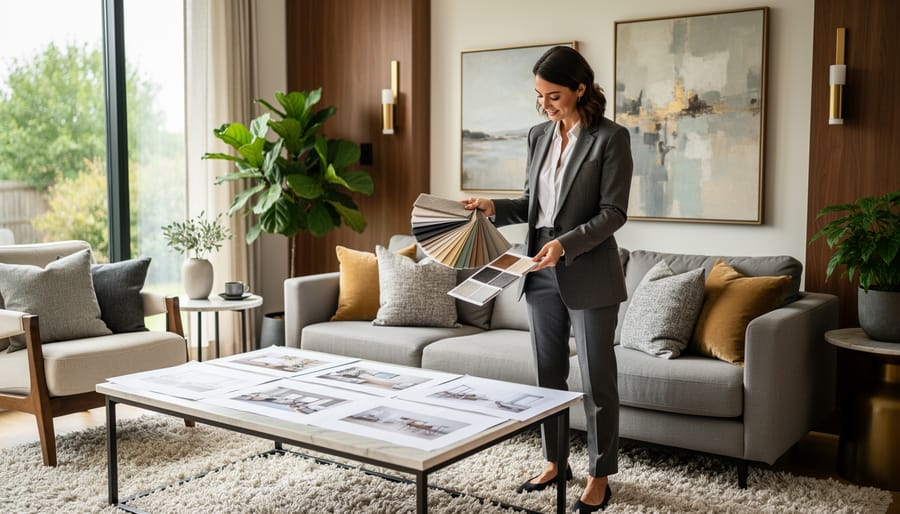
Professional interior designers are trained experts who transform spaces through a combination of aesthetic vision, technical knowledge, and project management expertise. Unlike decorators who primarily focus on selecting furniture, fabrics, and accessories, professional designers hold formal qualifications, often degrees in interior design or architecture, and understand building codes, spatial planning, lighting principles, and how people actually live and move through environments. Many hold credentials from organizations like the American Society of Interior Designers (ASID) or the International Interior Design Association (IIDA), demonstrating their commitment to industry standards and continuing education.
What sets professional designers apart is their ability to see beyond surface-level prettiness. They analyze how a space functions, identify structural opportunities and constraints, and create environments that solve real problems while expressing your style. A skilled designer considers traffic flow, natural light patterns, acoustic properties, and ergonomics alongside color palettes and textile choices. They coordinate with architects, contractors, and specialty tradespeople, managing timelines and budgets while translating technical drawings into livable realities.
The transformative value lies in this comprehensive approach. Where you might see a cramped kitchen, a designer sees opportunities to reconfigure the layout, maximize storage, and create zones for cooking and gathering. They bring years of experience solving similar challenges, access to trade-only resources, and relationships with craftspeople who execute their vision with precision. Their training in color theory, proportion, and material properties means they can predict how choices will perform over time, not just how they look in a showroom.
Professional designers also save you from costly mistakes. They know which trends have staying power, which materials suit high-traffic areas, and how to balance investment pieces with budget-friendly finds. Their project management capabilities keep renovations on schedule and prevent the cascade of delays that plague DIY efforts. The result is a cohesive space that reflects your needs and personality while functioning seamlessly for years to come.
Services Professional Interior Designers Provide
Design Consultation and Concept Development
The design consultation marks the beginning of your creative partnership with a professional interior designer. During this initial meeting, designers conduct a thorough assessment of your space, taking measurements, photographing existing conditions, and evaluating architectural features, natural light patterns, and structural considerations. They’ll ask probing questions about your lifestyle, daily routines, aesthetic preferences, and functional needs, details that might seem unimportant but profoundly influence design decisions.
From this discovery phase, designers develop a conceptual vision that translates your ideas into a cohesive design language. They interpret your verbal descriptions, Pinterest boards, and scattered inspirations, then distill them into a unified direction that balances your desires with practical realities like budget constraints and spatial limitations.
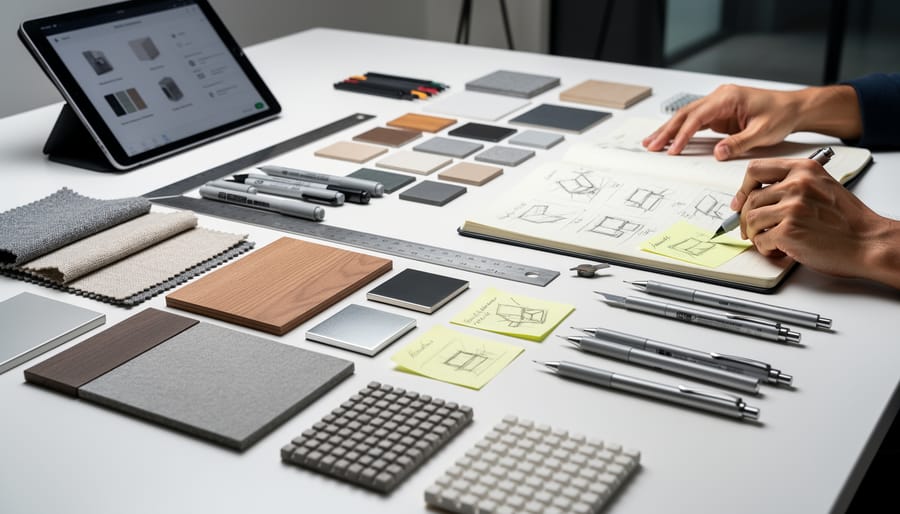
Mood boards emerge as the visual manifestation of this concept. These carefully curated presentations combine color palettes, material samples, furniture styles, lighting fixtures, and decorative elements to convey the intended atmosphere and aesthetic. A well-crafted mood board goes beyond pretty pictures, it tells the story of how your space will look and feel, establishing a clear reference point for all subsequent decisions.
This foundational phase typically includes preliminary floor plan sketches and rough furniture layouts, giving you a tangible sense of spatial flow before significant resources are committed. Designers refine concepts based on your feedback, ensuring alignment before moving into detailed planning and procurement stages.
Space Planning and Technical Services

Space planning forms the technical backbone of every interior design project. Professional designers create detailed floor plans that optimize traffic flow, define functional zones, and maximize usable square footage. They measure your space precisely, account for architectural features like windows and doors, and position furniture to balance aesthetics with livability. A well-executed plan ensures you can move comfortably through rooms while maintaining visual harmony.
Lighting design represents another critical technical service. Designers layer ambient, task, and accent lighting to serve practical needs while establishing mood and highlighting architectural details. They calculate light levels for different activities, specify fixture types and placement, and coordinate with electricians on switch locations and dimmer controls. The result transforms how a space feels throughout the day.
Technical drawings communicate the design vision to contractors and vendors. Designers produce elevation drawings showing wall treatments and built-in features, reflected ceiling plans indicating light fixture locations, and detailed specifications for materials and finishes. These documents prevent costly misunderstandings during construction.
When projects involve structural changes, designers coordinate with architects and engineers. They understand building codes, identify load-bearing walls, and propose modifications that enhance function without compromising structural integrity. This architectural coordination ensures renovations proceed smoothly and meet regulatory requirements while achieving your design goals.
Sourcing, Procurement, and Installation Oversight

Professional interior designers leverage extensive industry networks and trade access to source pieces that elevate a space beyond what’s available to the general public. They maintain relationships with furniture manufacturers, artisan workshops, fabric houses, and specialty suppliers around the globe, connections that open doors to exclusive showrooms, trade-only pricing, and custom fabrication capabilities. This access means your designer can procure that perfect vintage-inspired credenza from a Milan atelier or commission bespoke upholstery in a discontinued textile, options you’d struggle to find browsing retail stores alone.
The procurement phase goes far beyond placing orders. Designers coordinate timelines across multiple vendors, track shipments from different sources, and verify that every piece meets quality standards before it reaches your door. They handle the tedious but critical details:
- Negotiating pricing and delivery terms with suppliers and contractors
- Creating detailed purchase orders with specifications for custom pieces
- Monitoring production schedules and addressing delays proactively
- Inspecting furniture and materials upon arrival for damage or defects
- Coordinating delivery schedules to ensure efficient installation sequencing
During installation, your designer acts as the project quarterback. They’re on-site directing furniture placement, adjusting lighting fixtures, styling accessories, and making real-time decisions about how elements work together in the actual space. This oversight catches issues immediately, a sofa that blocks natural light flow, artwork hung at the wrong height, or rug proportions that feel off, allowing for adjustments before the crew leaves. The result is a cohesive, polished space that matches the vision presented in those initial renderings.
Who Professional Interior Designers Serve
Professional interior designers serve an incredibly diverse clientele, each with distinct needs, budgets, and visions for their spaces. From first-time homeowners refreshing a single room to multinational corporations reimagining their headquarters, designers adapt their expertise to match the scale, complexity, and purpose of every project.
Residential clients form the largest segment. These range from young professionals furnishing their first apartment to established families undertaking whole-home renovations. Empty nesters downsizing or retirees creating their dream retreat also frequently seek professional guidance. Designers working with homeowners typically focus on translating personal taste into cohesive, livable environments that reflect the occupants’ lifestyle while maximizing comfort and functionality. Some residential projects emphasize handcrafted accents and unique furnishings, while others prioritize clean modernism or family-friendly durability.
Commercial clients present different challenges and opportunities. Office developers, retail brands, restaurants, and healthcare facilities require designs that serve multiple stakeholders: employees, customers, patients, and corporate leadership. Here, designers balance brand identity, regulatory compliance, traffic flow, and operational efficiency alongside aesthetics. A law firm’s reception area demands a different approach than a tech startup’s collaborative workspace.
| Client Type | Typical Project Scope | Primary Design Focus |
|---|---|---|
| Residential | Single rooms to whole-home renovations | Personal expression, comfort, lifestyle needs |
| Commercial | Offices, retail spaces, corporate headquarters | Brand identity, functionality, employee productivity |
| Hospitality | Hotels, restaurants, spas, event venues | Guest experience, atmosphere, operational flow |
| Specialized | Healthcare, education, government facilities | Regulatory compliance, accessibility, specific use requirements |
Hospitality clients, hotels, boutique inns, restaurants, bars, need environments that create memorable guest experiences while withstanding heavy use. Designers in this sector must understand how lighting, seating arrangements, and material choices influence patron behavior and satisfaction.
Specialized sectors such as healthcare facilities, educational institutions, and senior living communities require designers with niche expertise. These projects demand knowledge of accessibility standards, infection control protocols, or age-specific design considerations that go beyond aesthetic choices.
Real estate developers and property investors also engage designers to stage model units, enhance property value, or create signature looks for residential or mixed-use developments. Their focus is return on investment and broad market appeal rather than individual expression.
Professional designers tailor their process, communication style, and deliverables to each client type. A residential client might receive hand-sketched concepts and frequent informal check-ins, while a corporate client expects detailed technical drawings, procurement schedules, and formal presentations to stakeholders. This adaptability across contexts is what distinguishes truly versatile design professionals.
Spotlight: International Design Talent
The global design community pulses with distinct voices, each shaped by cultural heritage, local materials, and personal vision. Our monthly newsletter spotlights this international talent, revealing how professional designers across continents interpret space, light, and function through their unique lenses.
Scandinavian designers continue to refine the marriage of form and utility, stripping away excess while maximizing natural light and organic textures. Stockholm-based professionals layer whites and grays with warm woods and tactile linens, creating interiors that feel both serene and deeply livable. Their approach to minimalist home decor prioritizes quality over quantity, with every object earning its place through beauty and purpose. The emphasis on sustainability runs deep here, with designers sourcing local timber, natural wool, and reclaimed materials that honor Nordic craft traditions.
Tokyo-based designers bring centuries of spatial philosophy to compact urban environments. Their mastery of negative space, sliding partitions, and flexible zones allows single rooms to serve multiple functions throughout the day. Japanese decor ideas rooted in wabi-sabi principles celebrate imperfection and transience, incorporating handmade ceramics, paper screens, and weathered wood that gains character over time. These professionals understand that restraint creates visual calm, using neutral palettes punctuated by carefully considered accent elements like ikebana arrangements or a single scroll painting.
In São Paulo and Rio de Janeiro, Brazilian designers blend modernist clean lines with tropical vibrancy and cultural richness. They’re unafraid of saturated color, mixing cobalt blues with terracotta and emerald greens, often highlighting indigenous crafts and locally sourced hardwoods like cumaru or jatobá. Their spaces balance open-plan flow with intimate gathering zones, reflecting a culture that values connection and celebration. Indoor-outdoor integration defines much of their work, with louvered walls, courtyard gardens, and covered verandas blurring boundaries between interior and landscape.
London and Amsterdam professionals excel at adaptive reuse, transforming Victorian townhouses and canal-side warehouses into sophisticated modern homes while respecting architectural heritage. Their contemporary design sensibility layers historical elements like exposed brick, plaster moldings, and original floorboards with sleek built-ins, statement lighting, and curated art collections. These designers navigate complex planning restrictions and structural challenges, demonstrating technical expertise alongside aesthetic vision.
Middle Eastern designers based in Dubai and Beirut merge regional opulence with global trends, incorporating geometric tile work, brass accents, and carved wood screens into contemporary frameworks. They understand dramatic impact, creating foyers with double-height ceilings and sculptural staircases, yet also craft intimate lounges draped in rich textiles and anchored by custom furniture pieces that honor regional craftsmanship.
Each designer profiled in our newsletter demonstrates that professional expertise transcends borders while remaining deeply rooted in place, offering clients access to diverse perspectives that can transform any space into something both culturally resonant and personally meaningful.
How to Connect with and Hire a Professional Interior Designer
Finding the Right Designer for Your Project
Start your search with professional design organizations that maintain vetted directories, the American Society of Interior Designers (ASID), the International Interior Design Association (IIDA), and regional chapters worldwide connect you with credentialed practitioners in your area. Portfolio platforms like Houzz, Decorist, and Havenly let you browse completed projects by style, filter by location and budget, and read client reviews before reaching out. Instagram has become an essential discovery tool where designers showcase their latest work, share behind-the-scenes process, and demonstrate how they interpret current aesthetics from traditional decor trends to cutting-edge contemporary approaches.
Design publications, both print and digital, regularly feature designer profiles and project spotlights that reveal not just finished spaces but the thinking behind them. Architectural Digest, Elle Decor, and Dezeen offer searchable archives by designer name and style category. Our monthly newsletter curates exclusive profiles of international design talent, introducing you to practitioners whose work spans continents and aesthetic philosophies, from Scandinavian minimalism to maximalist global fusion. These profiles go beyond portfolio images to explore each designer’s approach, signature techniques, and the types of clients and projects where they excel, giving you context to identify whose sensibility aligns with your vision before you ever send an inquiry.
The Engagement Process: From First Contact to Contract
Once you’ve identified a designer whose work resonates with your vision, the engagement process typically unfolds in several clear stages that protect both parties and set expectations for a successful collaboration.
The journey begins with an initial consultation, which many designers offer either complimentarily or for a modest fee that may be credited toward the project if you proceed. During this meeting, conducted in person or virtually, you’ll discuss your project scope, budget parameters, timeline, and design preferences while the designer assesses the space and asks detailed questions about how you live or work. This conversation allows both parties to gauge compatibility and determine whether the partnership makes sense.
Following a positive initial meeting, the designer prepares a proposal outlining the project scope, their recommended services, estimated timeline, and fee structure. Professional designers typically work under one of several compensation models: hourly rates ranging from £75 to £300+ depending on experience and location, flat project fees based on scope and complexity, cost-plus arrangements where the designer charges a percentage markup on purchases, or hybrid combinations of these approaches. The proposal should clearly specify what services are included, what constitutes additional work, and how expenses like travel or material samples will be handled.
Contract negotiation comes next. Review the agreement carefully, paying attention to deliverables, revision allowances, cancellation terms, liability provisions, and intellectual property rights. Professional designers expect questions and appreciate clients who engage thoughtfully with contract terms rather than signing blindly.
The final step before work begins involves establishing project timelines with key milestones and decision points, as well as communication protocols, preferred contact methods, response timeframes, and meeting frequency. Clarity here prevents misunderstandings and keeps the project moving smoothly. Most designers require an initial retainer or deposit, typically 25-50% of the estimated fee, to secure your project slot and begin work in earnest.
Who It’s For
Professional interior design services appeal to a remarkably wide audience, each with distinct motivations and project scopes. Homeowners embarking on major renovations or building new homes benefit from a designer’s ability to translate vision into cohesive, functional reality while avoiding costly mistakes. Busy professionals who lack time or design confidence hire designers to create beautiful, personalized spaces without the stress of coordinating vendors and sourcing.
Commercial clients, restaurants, hotels, retail stores, corporate offices, need designers who understand brand identity, regulatory compliance, and how spatial design influences customer behavior and employee productivity. Real estate developers and property investors engage designers to maximize market appeal and property value through strategic staging and thoughtful finishes.
You’ll also find designers working with clients navigating life transitions: downsizing retirees, growing families needing smarter layouts, or individuals seeking accessibility modifications. Art collectors and design enthusiasts with specific aesthetic visions rely on professional expertise to curate environments that showcase their collections while maintaining livability.
Whether your project involves a single room refresh or a complete estate transformation, professional designers tailor their approach to your budget, timeline, and goals.
How to Visit, Contact, or Get Involved
Connecting with a professional interior designer begins with clear, direct outreach. Most designers maintain websites showcasing portfolios, service offerings, and contact forms, review their completed projects to confirm their aesthetic aligns with your vision before reaching out. Email or phone initial inquiries with a brief description of your project scope, timeline, and budget range; designers appreciate specificity, as it helps them assess fit and respond with relevant information.
Professional directories like the American Society of Interior Designers (ASID) and Interior Design Society (IDS) offer searchable databases where you can filter by location, specialty, and credentials. Many designers also maintain active Instagram and Pinterest profiles that reveal their current work and design philosophy.
For those planning projects around major purchasing windows, understanding shop furnishings timing helps coordinate designer services with optimal procurement periods. Schedule initial consultations several months before you need furniture delivered, giving designers time to source pieces and coordinate installations.
Our monthly newsletter features exclusive profiles of international designers, including direct contact details and insights into their collaborative processes, a curated entry point for exploring global design talent aligned with your aesthetic preferences.
Common Questions About Working with Professional Interior Designers
Embarking on an interior design project with a professional often raises practical questions about investment, timing, and collaboration. Understanding these fundamentals helps you enter the process with realistic expectations and confidence.
How much does hiring a professional interior designer cost?
Fee structures vary widely based on project scope, location, and designer experience. Common arrangements include hourly rates ($100-$500+), flat project fees, percentage of total project cost (typically 10-30%), or a combination of these methods, with most designers requiring an initial retainer.
How long does a typical interior design project take?
Timeline depends on project complexity, with simple room refreshes taking 6-8 weeks while full home renovations may span 6-12 months or longer. Lead times for custom furniture and materials often extend timelines significantly, particularly for imported pieces or specialty finishes.
How involved will I be in the design process?
Your involvement level is typically established during initial consultation and can range from approving major decisions only to being consulted on every detail. Most designers schedule regular check-ins and decision points, ensuring you remain informed while trusting their expertise for day-to-day choices.
What’s included in a designer’s fee versus what I pay separately?
Designer fees cover their professional services, consultation, planning, drawings, sourcing, and project management. You typically pay separately for actual furnishings, materials, contractor labor, and installation, though designers often negotiate trade discounts that partially offset their fees.
Beyond these core concerns, clients often wonder about ownership of design plans and drawings. Most contracts specify that conceptual designs belong to the designer while implementation documents transfer to you upon full payment. This protects the designer’s intellectual property while ensuring you can execute the vision.
Communication frequency varies by project phase and designer practice. Expect weekly or biweekly updates during active design development and procurement, with more frequent contact during installation. Establish your preferred communication method early, whether email, phone calls, or project management platforms.
Many people ask whether they can purchase items independently rather than through their designer. While technically possible, doing so may void warranties the designer secured, disrupt carefully planned timelines, and create coordination challenges. Designers build relationships with vendors that benefit your project through priority service, quality assurance, and problem resolution that aren’t available to retail consumers.
Finally, understand what happens if you’re unsatisfied with proposed designs. Reputable designers typically include a set number of revision rounds in their agreement, with additional changes billed separately. Clear communication about your vision, honest feedback during presentations, and trust in the collaborative process help prevent major misalignments and ensure the final result reflects your aspirations while benefiting from professional expertise.
Professional interior designers transform spaces into environments that reflect personal vision while solving practical challenges with expertise and creativity. Their value extends beyond aesthetics, they bring technical knowledge, industry connections, and a trained eye that elevates every aspect of a project, from initial concept through final installation.
The global design community offers remarkable diversity in approach, style, and cultural perspective. Whether you’re drawn to Scandinavian minimalism, Mediterranean warmth, or contemporary Asian fusion, designers worldwide bring unique viewpoints shaped by their cultural contexts and training. This international landscape means you’re not limited by geography; the right designer for your project might be working across the world, bringing fresh ideas that challenge local conventions.
Our monthly newsletter showcases this extraordinary talent, featuring designers whose work demonstrates how thoughtful collaboration creates spaces that truly work for the people who inhabit them. These profiles reveal not just finished projects, but the philosophies, processes, and innovative thinking that set exceptional designers apart.
Engaging a professional designer represents an investment in your environment, one that pays dividends in functionality, beauty, and lasting satisfaction. The process itself can be transformative, helping you articulate desires you might not have fully recognized and discover solutions you wouldn’t have imagined.
Explore the designer profiles available through our platform. You’ll find inspiration, insight, and perhaps the perfect partner to bring your vision to life with expertise that only comes from dedicated professionals who’ve devoted their careers to the art and science of interior design.