Handcrafted home decor transforms interiors through authenticity, originality, and the irreplaceable human touch of skilled artisans. Unlike mass-produced furnishings, each handcrafted piece carries the signature of its maker, subtle variations in texture, finish, and form that speak to the deliberate process of creation. These objects anchor a room with presence, their imperfections and individuality offering visual relief in an age of algorithmic sameness.
The movement toward handcrafted pieces reflects a broader shift in how homeowners approach design. With the global home decor market projected to grow from $716.53 billion in 2026 to over $924 billion by 2031, and online channels capturing an increasing share, access to artisan work has never been more democratic. Yet the appetite isn’t simply about availability. Design-conscious buyers increasingly seek objects with provenance, pieces that tell a story of material, tradition, and craft rather than simply filling a gap on a shelf.
What defines handcrafted decor is process over speed. A potter’s hand shaping a vessel at the wheel, a woodworker planing a tabletop to reveal grain, a weaver threading natural fibers into textile art. These methods require time, knowledge passed through generations or painstakingly self-taught, and an intimacy with materials that industrial manufacturing cannot replicate. The result is decor that ages with character, that invites touch, that grounds a space in something tangible and real.
This guide explores what makes handcrafted decor compelling in 2026, where to source authentic pieces, and how to integrate them thoughtfully into contemporary interiors without veering into curated nostalgia.
Why Handcrafted Home Decor Is Capturing Hearts in 2026
The handcrafted movement isn’t just a fleeting design trend. It reflects a fundamental shift in how people want to live and what they choose to surround themselves with. After years of exposure to sleek but soulless mass production, homeowners are craving objects that carry intention, imperfection, and the unmistakable mark of human hands.
Authenticity drives much of this demand. There’s a growing weariness with interiors that look lifted from a catalog, where every piece could be replicated a thousand times over. Handcrafted decor offers an antidote: the slight variations in a hand-thrown ceramic vase, the individual grain patterns in a carved wooden bowl, the uneven weave in a textile wall hanging. These aren’t flaws but signatures, proof that someone shaped this object with skill and care rather than programming a machine to stamp it out.
Sustainability reinforces this shift. Artisan makers typically work with natural, locally sourced materials and produce in small batches, reducing waste and environmental impact. Buying handcrafted means investing in durability over disposability, in pieces designed to last decades rather than trend cycles. As consciousness around consumption grows, choosing artisan decor becomes an ethical statement as much as an aesthetic one.
The online home decor market provides the infrastructure for this movement to flourish. Valued at 134.52 billion USD in 2026 and projected to grow at 11.5% annually through 2033, digital platforms connect makers directly with buyers who value their work. North America, holding 39% of the online market share, leads this charge, with design-savvy consumers using e-commerce to discover artisans they’d never encounter in traditional retail.
But perhaps the most compelling force is storytelling. Handcrafted pieces come with provenance. You’re not just buying a lamp; you’re supporting a metalworker in Portland who learned forging from her grandfather. That narrative thread transforms decor into something deeper, objects that anchor your space in meaning rather than simply filling it with stuff.
The Essence of Handcrafted: What Sets Artisan Decor Apart
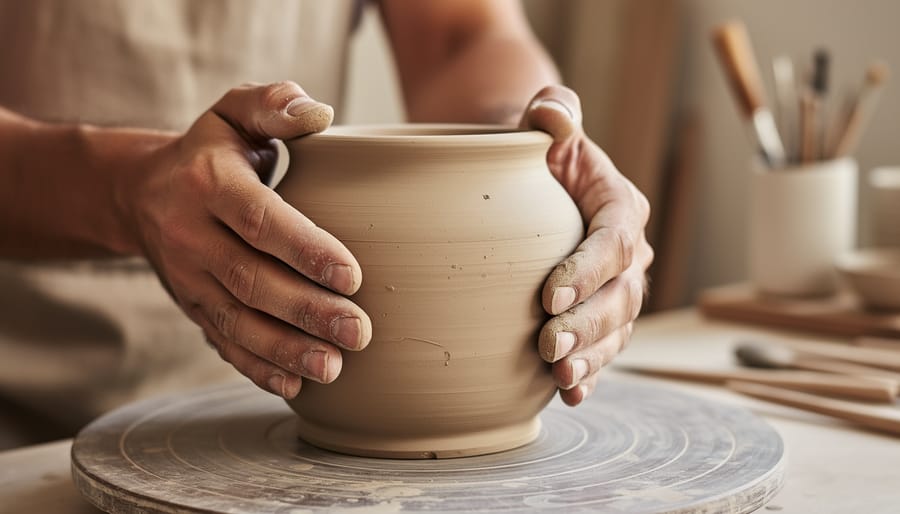
Authentic handcrafted decor carries unmistakable markers that set it apart from factory-made imitations. The difference lies not just in how a piece looks, but in the evidence of human hands shaping raw materials into something singular. True artisan work reveals subtle irregularities, glazes that pool differently on each ceramic vase, wood grain that dictates the curve of a carved bowl, weaving tension that varies across a textile. These aren’t flaws; they’re fingerprints of the making process.
Understanding the terminology helps you recognize genuine artisan pieces:
- Handcrafted
- Items created predominantly by hand using traditional techniques, though some mechanical tools may assist in the process. The maker’s skill and decision-making guide every stage of production.
- Handmade
- Objects assembled or finished by hand, which may include components produced mechanically or from kits. The distinction matters when evaluating uniqueness and artistic input.
- Artisanal
- Work produced by trained craftspeople using specialized knowledge passed down through practice and apprenticeship. Implies both skill mastery and often small-batch or one-of-a-kind production.
When evaluating a piece, look for maker’s marks, slight variations in pattern or form, and materials that show natural characteristics rather than uniform perfection. Ask about the creation process, genuine artisans can describe their techniques in detail, from clay sources to firing methods to finish treatments. Be wary of mass-produced items marketed with handcrafted aesthetics: perfectly identical multiples, suspiciously low prices for labor-intensive techniques, and vague origin stories signal commercial production rather than authentic artisan work.
The human element matters most. Each handcrafted piece carries decisions made in real time, how thick to throw a pot’s wall, where to place a carved detail, which threads to emphasize in a weave. That responsiveness to material and moment creates objects with presence that factory uniformity can’t replicate.
Artisan Categories to Explore for Your Home
Ceramics and Pottery
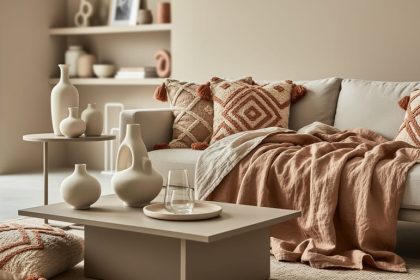
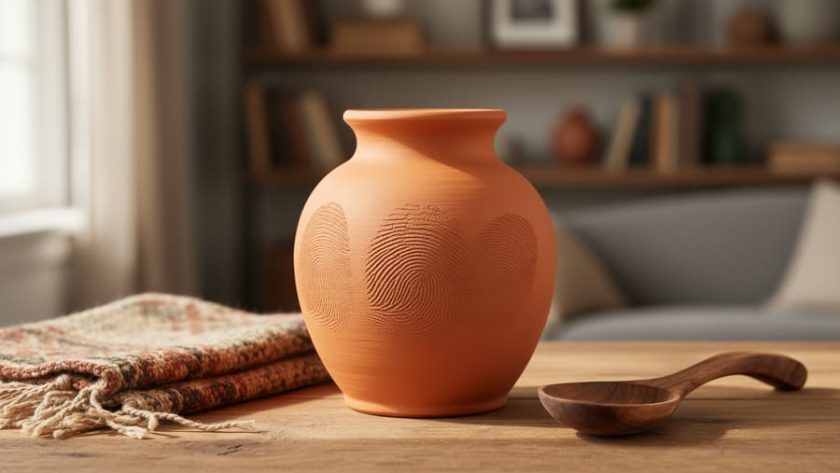
Handmade ceramics carry an immediacy that factory-produced pieces can’t replicate, the thumb print in the clay, the subtle wobble of a thrown rim, the glaze that pools differently on every surface. A single artisan vase on a console table or a cluster of hand-thrown bowls on open shelving introduces organic warmth and visual weight without demanding drama.
Planters shaped by hand bring texture to greenery displays, their irregular edges and earthy finishes grounding modern interiors. Sculptural ceramic pieces, abstract forms, figurative work, or architectural fragments, function as quiet focal points, inviting closer inspection. The beauty lies in imperfection: each piece registers the maker’s hand, the kiln’s heat, and the unpredictability of natural materials.
When selecting pottery, look for telltale signs of handwork, uneven bases, fingerprints in the clay body, brush marks in the glaze. Genuine handcrafted ceramics age gracefully, developing patina and character rather than showing wear. They ground contemporary spaces in something tangible, rooted, and unmistakably human.
Textile Arts and Fiber Work
Textile arts bring immediate warmth and tactile richness to any room. A hand-woven wall hanging becomes sculptural art, its irregularities and organic dye variations offering depth no print can replicate. Macramé pieces add bohemian texture, while tapestries introduce narrative and color through threads worked by skilled hands.
Hand-dyed linens transform everyday objects into expressive statements. Table runners, throws, and napkins carry the mark of the dyer’s technique, shibori folds, indigo gradients, botanical imprints, each one subtly different from the next.
Embroidered cushions layer pattern and dimension. Whether featuring traditional crewelwork, contemporary abstract stitching, or cultural motifs passed through generations, these pieces invite closer inspection and reward it with intricate detail.
Artisan rugs anchor a space with soul. Hand-knotted, tufted, or woven on traditional looms, they carry the weight of hours spent crafting. Natural fibers and vegetable dyes ensure they age beautifully, developing character rather than simply wearing out. These textiles don’t just soften hard surfaces, they tell stories underfoot and on walls.
Woodwork and Carved Accents
Woodwork introduces an elemental warmth that no other material can replicate. Custom furniture pieces, a hand-turned side table, a live-edge dining slab, a carved headboard, become anchors in a room, their grain patterns and subtle imperfections telling the story of the tree they came from. Carved wooden bowls and sculptural vessels add organic form to shelves and countertops, their curves inviting touch and contemplation.
Reclaimed wood pieces carry particular resonance in 2026, marrying sustainability with history. A barn-board mirror frame or salvaged timber bench brings layers of patina and provenance that new materials simply can’t match. Wood artisans often highlight joinery techniques, dovetails, mortise-and-tenon, hand-cut inlays, that showcase skill passed down through generations.
The beauty of wooden accents lies in their versatility. A carved wall panel can soften a minimalist loft; a sculptural wooden stool doubles as art in a modern entry. Choose pieces where you can see the maker’s hand: chisel marks, natural edge retention, or hand-rubbed finishes that deepen with age.
Metalwork and Forged Details
Metal carries memory in every hammer strike and heated bend. Hand-forged metalwork introduces sculptural weight and tactile depth to interiors, pieces that feel substantial in the hand and commanding in space. Unlike factory-stamped hardware, forged metal bears subtle irregularities: the gentle undulation of a hammered surface, the organic taper of a hand-drawn candle holder, the intentional asymmetry that proves human presence.
Lighting fixtures offer the most dramatic opportunity. A chandelier shaped over an anvil becomes architecture in miniature, casting complex shadows that shift with the light. Wall sconces with hand-riveted joints and textured finishes add industrial poetry to hallways and living rooms. Even cabinet pulls and door hardware, when forged rather than milled, transform everyday interactions into moments of tactile pleasure.
The material itself matters. Blackened steel brings brooding intensity suited to modern industrial spaces. Aged brass develops a living patina over time. Copper warms with use, darkening in some areas while bright spots emerge where hands frequently touch. Each metal tells its own story, maturing rather than degrading as years pass.
Where to Discover Handcrafted Treasures
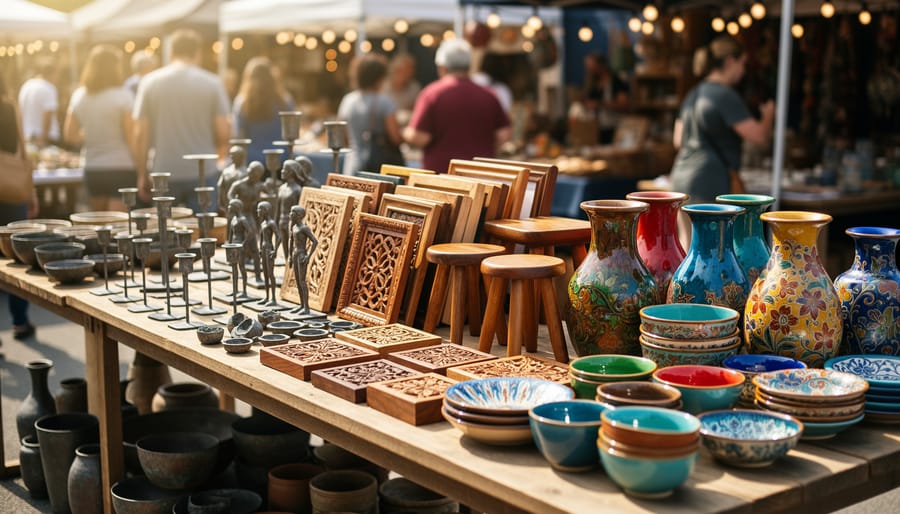
Finding authentic handcrafted decor requires knowing where artisans gather and how to connect with makers who value craft over mass production. The good news: sourcing channels have expanded significantly, making it easier than ever to discover unique pieces that carry the maker’s signature and story.
Start by exploring dedicated platforms where you can shop online for artisan-made goods, sites that specialize in handmade items typically feature direct-from-maker purchasing, detailed provenance, and transparency about materials and techniques. These platforms let you filter by craft type, region, and aesthetic, connecting you with ceramicists in rural studios or textile artists working from home workshops thousands of miles away.
Your sourcing toolkit should include:
- Online marketplaces dedicated to handmade and artisan goods, offering direct maker connections
- Local artisan markets and weekend craft fairs showcasing regional talent
- Studio visits and open studio events where you can meet makers and see their process
- Large-scale craft shows like Canada’s editions in Spring (April 9-12, 2026) and Christmas (November 27, December 6, 2026)
- Independent boutiques and galleries that curate handcrafted collections from multiple artisans
In-person events remain invaluable for evaluating quality, understanding scale, and asking makers about their techniques. Craft shows give you access to dozens of artisans under one roof, while studio visits offer deeper insight into individual practices and often the chance to commission custom pieces.
Social media has become a discovery engine for handcrafted decor, many artisans showcase new work on Instagram or share upcoming market schedules, letting you follow makers whose aesthetic resonates. Don’t overlook your local community: small studios, fiber guilds, and pottery co-ops often welcome visitors by appointment, and word-of-mouth recommendations from design-conscious friends can lead you to artisans working quietly outside the digital spotlight.
Styling Your Space with Handcrafted Pieces
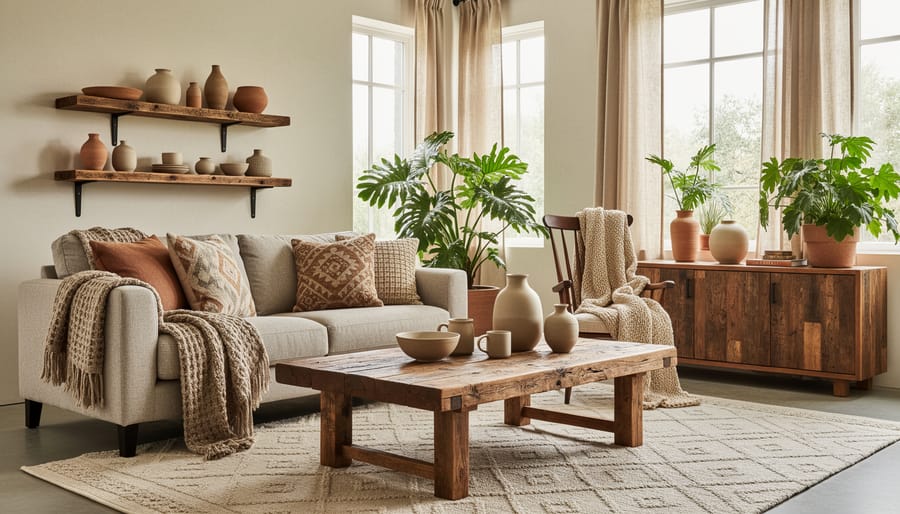
The real art lies in letting handcrafted pieces breathe within your existing scheme rather than building a room around them. A single ceramic vase on a streamlined console or a hand-woven wall hanging above a minimalist sofa can anchor an entire room without competing for attention. Start by identifying one or two focal points, perhaps a carved wooden bowl on your dining table or a forged metal mirror frame in the entryway, and allow those pieces to set the tone.
Texture layering is where handcrafted decor truly shines. Pair the smooth surfaces of contemporary decor with the tactile irregularities of artisan work: a hand-thrown planter beside lacquered cabinetry, or a rough-hewn stool against polished concrete floors. These contrasts create visual interest without clutter, letting each piece maintain its distinct character while contributing to a cohesive whole.
In spaces leaning toward traditional style handcrafted accents reinforce warmth and history. An embroidered cushion on a classic armchair or hand-dyed linens in the bedroom add layers of craft without disrupting established formality. For maximalist interiors, handcrafted pieces offer narrative depth, each artisan bowl or woven textile brings its own story, enriching the visual conversation rather than simply filling space.
Strategic placement matters more than quantity. Position a hand-forged candle holder where natural light catches the metal’s variations, or use corner decor like a tall ceramic sculpture to draw the eye upward in overlooked spaces. In a warm guest room a single handwoven throw draped over the bed’s foot can convey welcome and thoughtfulness more effectively than multiple generic accessories.
Resist the urge to curate exclusively artisan rooms. The most compelling interiors balance handcrafted soul with modern convenience, a hand-carved cutting board displayed beside sleek appliances, or artisan pottery grouped on industrial shelving. This juxtaposition highlights the handmade quality without making the space feel precious or untouchable. Let imperfections show: the uneven glaze on a bowl, the visible chisel marks in wood. These details are the proof of human hands at work, and they tell richer stories than flawless mass production ever could.
The Investment Value of Artisan Decor
Handcrafted pieces represent an investment that extends far beyond their initial price tag. Unlike mass-produced items engineered for obsolescence, artisan decor is built to endure. A hand-thrown ceramic vase or a forged metal candle holder carries inherent durability, crafted from quality materials by someone whose reputation depends on the piece lasting. These objects age gracefully, developing patina and character that factory-made equivalents never achieve.
There’s timelessness, too. Trends cycle through quickly in the home decor market, but handcrafted work transcends seasonal shifts. A hand-carved wooden bowl or a hand-woven textile doesn’t date the way a mass-market accent might. It sits comfortably across design eras, adaptable to evolving tastes because its appeal rests on craftsmanship rather than trend alignment.
Then there’s the emotional return. Handcrafted decor carries presence. You know the story behind it, the hands that shaped it, the intention embedded in its making. That connection deepens over time, turning functional objects into meaningful anchors in your home. You’re less likely to discard something that holds that weight.
Purchasing artisan work also supports individual makers and their communities. Your money goes directly to sustaining craft traditions and artisan livelihoods, not corporate margins. In a home decor market projected to grow steadily through the coming years, choosing handcrafted pieces becomes a quiet ethical stance, one that values human skill and fair exchange over volume and profit extraction.
Common Questions About Handcrafted Home Decor
Stepping into the world of handcrafted decor often raises practical questions, especially for those accustomed to conventional retail. Here are the answers that matter most when you’re ready to bring artisan pieces home.
How can I verify that a piece is genuinely handcrafted?
Look for slight variations in size, color, or texture that indicate hand production, and ask the seller about the maker’s process and materials. Authentic artisan pieces often come with information about the craftsperson, their studio, or the techniques used.
Are handcrafted pieces always more expensive than mass-produced decor?
Not necessarily. While premium artisan work commands higher prices, many handcrafted items fall within accessible ranges, especially smaller pieces like ceramics or textiles. You’re paying for skill, materials, and time rather than brand markup or distribution costs.
How do I care for handcrafted materials properly?
Each material has specific needs, unglazed ceramics may require gentle hand-washing, natural fibers benefit from occasional airing, and untreated wood appreciates periodic conditioning. Always ask the maker for care guidance, as they know their work best.
Can handcrafted decor work in sleek, modern interiors?
Absolutely. The contrast between handcrafted texture and clean lines creates visual interest and prevents modern spaces from feeling sterile. A single artisan bowl on a minimalist console or a hand-woven piece against white walls adds warmth without disrupting the aesthetic.
What if I’m decorating on a limited budget?
Start small with affordable handcrafted items like pottery mugs, woven coasters, or hand-dipped candles that deliver artisan character without straining finances. You can build your collection gradually, adding one meaningful piece at a time as budget allows.
The beauty of handcrafted decor lies in its flexibility. You don’t need to overhaul your entire home or commit to a single aesthetic to enjoy artisan pieces. Begin with what speaks to you, learn as you go, and trust that the imperfections and individuality of handcrafted work will bring a layer of authenticity that mass production simply can’t match.
Choosing handcrafted home decor is more than a decorating decision, it’s an invitation to live with objects that carry intention, skill, and soul. In a world where mass production dominates, selecting artisan-made pieces allows you to curate spaces that reflect your values and your vision, not just what’s trending on retail shelves. Each handcrafted item you bring home becomes part of your story, a tangible expression of the care you invest in your surroundings.
The beauty of this approach lies in its layered rewards. You gain interiors that feel distinctly yours, shaped by the textures, colours, and forms that speak to you. You support makers who pour expertise and passion into their craft, sustaining artisan economies and preserving traditional techniques. And you make a choice that honours sustainability, durability, and the human touch, qualities that matter more as we move deeper into 2026.
As you explore the world of handcrafted decor, let curiosity guide you. Visit artisan markets, browse thoughtfully curated online platforms, and pay attention to the pieces that resonate. The right handcrafted objects don’t shout; they quietly elevate the everyday, turning your home into a space that feels both beautiful and lived-in.
For ongoing inspiration and expert insights into the latest design trends, subscribe to our monthly newsletter, your gateway to discovering what’s shaping interiors around the world.