Japanese home decor transforms living spaces through the ancient philosophy of ma, the thoughtful use of negative space that allows each object to breathe and command attention. This design approach, rooted in centuries of Zen Buddhist principles and refined through generations of artisans, creates environments that quiet the mind while stirring the soul. The beauty lies not in accumulation but in careful curation, where a single ceramic vase or a weathered wooden beam speaks volumes.
In 2026, as our homes increasingly serve multiple functions and our lives demand moments of genuine calm, Japanese design principles offer more than aesthetic appeal. They provide a framework for intentional living. The concept of wabi-sabi celebrates imperfection and transience, honoring the crack in a tea bowl or the patina on aged copper as markers of authenticity and lived experience. Meanwhile, shizen brings the outside in through natural materials, organic forms, and a color palette drawn from stone, wood, and water.
Understanding these foundational concepts changes how you see every corner of your home. That cluttered entryway becomes an opportunity for a minimalist genkan with purpose-built storage. Your bedroom transforms into a sanctuary when you replace heavy furniture with a low platform bed and shoji-inspired screens that filter light like morning mist.
The journey from inspiration to implementation requires both knowledge and resources. Whether you’re drawn to the clean lines of contemporary Japanese minimalism or the rustic warmth of traditional machiya townhouses, the principles remain consistent: respect for materials, attention to craft, and spaces designed for human connection rather than display.
The Philosophy Behind Japanese Interior Design
Japanese home decor runs deeper than aesthetic preference. It emerges from centuries-old philosophical traditions that shape how space, objects, and emptiness interact to create environments for living rather than merely looking. Understanding these core principles transforms your approach from copying a style to creating spaces that genuinely support calm, focused living.
Three foundational concepts anchor Japanese interior design. The wabi-sabi and ma concepts work in concert with kanso to establish a design language that feels radically different from Western decorating norms. These principles guide every decision, from furniture placement to surface finishes.
- Wabi-Sabi
- The acceptance and celebration of imperfection, impermanence, and incompleteness. This philosophy values the weathered wooden beam and the hand-thrown ceramic bowl with an irregular glaze over mass-produced perfection.
- Ma
- The conscious use of negative space and intervals between objects. Ma treats emptiness as an active design element rather than something to fill, creating breathing room that makes individual items feel more significant.
- Kanso
- Elimination of clutter and the unnecessary to reveal what remains as essential. Kanso means each object earns its place through function or meaning, not decorative impulse.
- Shizen
- Naturalness and the absence of pretense or force. This principle favors materials in their authentic state and arrangements that feel effortless rather than contrived.
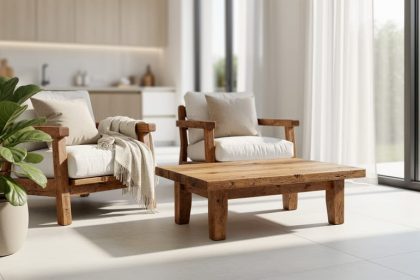
These concepts intersect in practice. A room embodying wabi-sabi might feature a reclaimed wood table with visible grain and imperfections, positioned with generous ma around it so the eye can appreciate its character. Kanso ensures nothing competes for attention, while shizen keeps the space from feeling staged. The result calms rather than stimulates, offering visual rest in a culture drowning in sensory bombardment.
This philosophical foundation explains why simply buying Japanese furniture often falls flat. Without understanding the restraint, intentionality, and respect for negative space underlying the aesthetic, you end up with objects in a Western arrangement that negates their purpose. The magic lies in the space between things as much as the things themselves.
Essential Elements of Japanese Home Decor
Natural Materials and Textures
Japanese interiors derive their signature warmth from a carefully curated selection of materials that honour nature’s imperfection. Light woods dominate this palette, with hinoki cypress prized for its subtle fragrance and fine grain, while bamboo offers structural strength alongside visual lightness. These woods age gracefully, developing character rather than looking worn.
Rice paper, stretched across shoji screens and lamp frames, diffuses harsh light into a soft, even glow that transforms throughout the day. Unlike synthetic alternatives, authentic washi paper breathes, allowing subtle air circulation while maintaining privacy. The texture catches light differently than glass, creating depth without pattern.
Tatami mats anchor rooms with their woven rush surface and rice straw core, following traditional tatami dimensions that have dictated Japanese room proportions for centuries. Their slight give underfoot and grassy scent connect inhabitants to the earth, even in urban high-rises. Stone appears sparingly but deliberately, whether as a single accent rock in a tokonoma alcove or as granite stepping stones leading through a space.
Linen textiles in undyed natural tones soften hard surfaces without introducing busy patterns. These fabrics wrinkle beautifully, embodying wabi-sabi’s acceptance of transience. The combined effect of these materials is paradoxical: rooms feel both spare and deeply comforting, stripped of excess yet rich in sensory experience. The warmth emerges not from abundance but from authenticity.
The Japanese Color Palette
The Japanese neutral tones that define this aesthetic aren’t stark or clinical, they’re layered and textured. Think creamy whites with undertones of ivory, beiges that lean toward sand or clay, and soft grays that hint at stone rather than concrete. These hues create a backdrop that feels calm without coldness, especially when paired with the natural grain of wood that adds visual warmth.
Earth tones ground the palette: muted ochres, warm taupes, and gentle browns that echo natural landscapes. Strategic accents of charcoal black appear in frames, ceramics, or iron fixtures, providing definition without drama. Deep forest green, seen in plants or occasional textile accents, connects the interior to nature.
Applying this restrained palette successfully means understanding that variation lives in texture and tone rather than color contrast. A warm gray paint on walls gains depth when paired with lighter tatami-inspired flooring and darker wooden furniture. The Japanese approach avoids pure white walls in favor of warmer off-whites that shift subtly with natural light throughout the day, creating a living quality that pure neutrals can’t achieve.
Furniture with Purpose
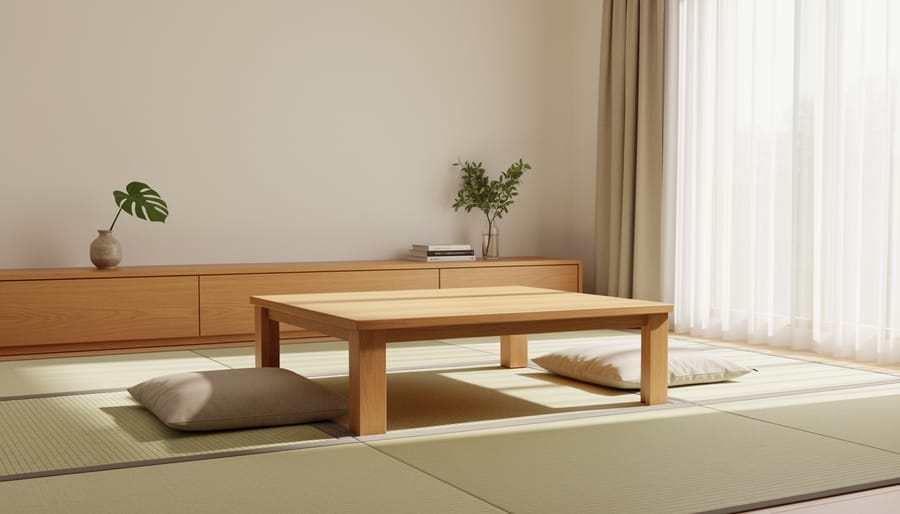
Japanese furniture embodies the principle that every piece should earn its place through function, not just fill space. Low-profile furniture defines this approach, platform beds, floor cushions, and chabudai (low dining tables) naturally lower your center of gravity, creating a grounded, meditative quality that tall Western furniture simply can’t achieve. This isn’t about discomfort; it’s about reshaping your relationship with vertical space and drawing attention to what truly matters at eye level.
Shoji screens exemplify multi-functionality at its finest. These rice paper partitions filter light beautifully while dividing rooms, offering privacy without the visual weight of solid walls. Modern versions often slide into wall pockets completely, transforming layouts as your needs shift throughout the day.
Traditional futons, unlike their bulky Western counterparts, fold away each morning to reclaim floor space. Pair this thinking with modular storage, stackable boxes, hidden compartments beneath raised platforms, built-in cabinetry that disappears into walls. The goal is adaptability: furniture that serves multiple purposes and vanishes when not needed, leaving only calm, uncluttered space behind.
Bringing Japanese Design Into Western Homes
The key to successfully incorporating Japanese design into Western homes lies in understanding its underlying principles rather than simply copying its visual elements. Think of it as learning a language: fluency comes from grasping the grammar, not just memorizing phrases. Your goal is to capture the essence of Japanese aesthetics while respecting the practical realities of Western living.
Start by evaluating your existing space with fresh eyes. Japanese design thrives on editing, so begin by removing rather than adding. Clear surfaces of decorative clutter, consolidate storage, and let your rooms breathe. This doesn’t mean stripping your home bare, but it does mean being ruthless about what truly serves a purpose or brings you genuine joy. One well-chosen object displayed against empty space carries more impact than five items competing for attention.
Consider your architectural constraints honestly. Most Western homes weren’t built for floor seating or sliding shoji screens, and forcing these elements into incompatible spaces creates awkwardness rather than harmony. Instead, adapt the concept: lower your furniture gradually, add cushions to existing seating for occasional floor lounging, or install simple linen curtains that echo the lightness of shoji without requiring structural changes. A platform bed frame achieves the low-profile aesthetic without abandoning your mattress.
Balance is crucial when mixing cultural elements. If you’re furnishing a living room, pair a low Japanese-style coffee table with Western seating that’s been edited down to simpler forms and neutral upholstery. Introduce natural materials through accessories, a single pottery piece, or wooden trays, rather than attempting a full tatami transformation. The restraint itself becomes authentically Japanese.
Pay attention to lighting, which transforms spaces more effectively than any furniture swap. Replace harsh overhead fixtures with paper lanterns or simple pendant lights that cast soft, diffused illumination. Add floor lamps with natural linen shades. Japanese interiors favor warm, layered lighting that creates ambiance without drama.
Most importantly, embrace the philosophy of gradual refinement. Japanese design evolved over centuries, and your space should evolve naturally too. Purchase one quality piece rather than filling a room quickly with approximations. Learn to sit with emptiness, resist the urge to immediately fill every corner, and let your understanding deepen before making your next addition.
Room-by-Room Applications
Creating a Japanese-Inspired Living Room
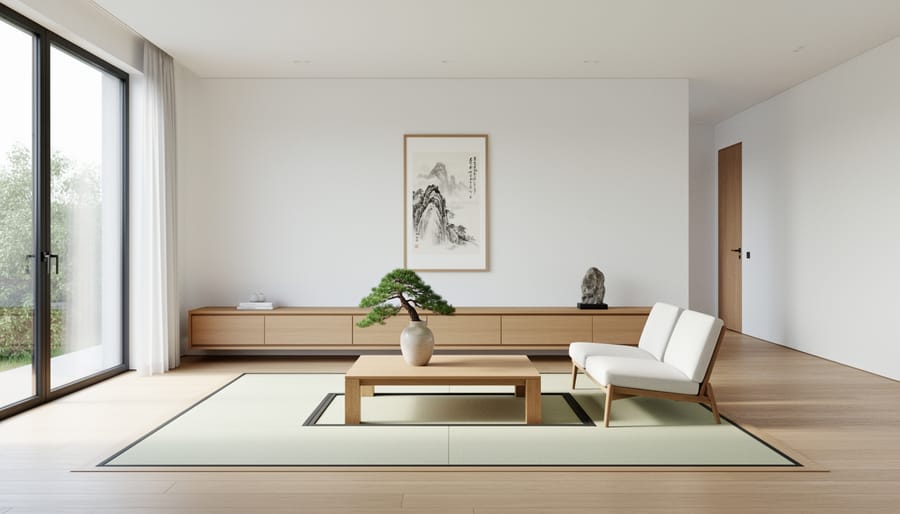
The Japanese living room prioritizes openness and flexibility over permanent arrangements. Start by lowering your sight lines. A zabuton cushion paired with a low wooden table creates a conversation area that feels expansive rather than crowded, and you can easily shift these pieces when you need the floor space for other activities.
Resist the urge to push furniture against every wall. Instead, position one low seating element or a simple floor cushion arrangement near a window to anchor the room, then leave the remaining walls mostly bare. This approach makes intentional corner decor more impactful when you do choose to add a single sculptural piece or plant.
For media storage, choose closed cabinets in light wood that sit low to the ground. Keep remotes, cables, and electronics hidden entirely. The television itself becomes less dominant when surrounded by empty wall space rather than competing with shelves of decorative objects.
Natural light defines the room’s rhythm. Skip heavy curtains in favor of sheer linen panels or bamboo blinds that filter rather than block sunlight. Position mirrors opposite windows sparingly, one well-placed reflection amplifies brightness without creating visual noise.
The Bedroom as a Zen Retreat
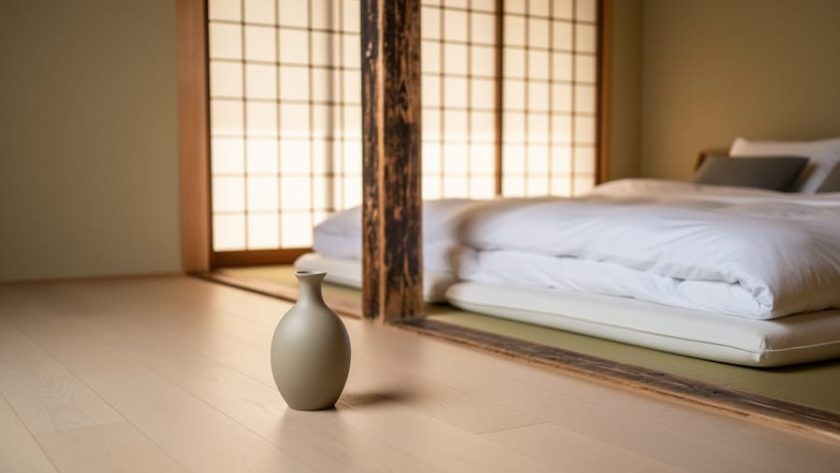
The bedroom becomes a meditation on rest when stripped to essentials. Start with a platform bed, ideally in pale wood like ash or cypress, sitting close to the floor to anchor the space without dominating it. This low profile creates visual calm and makes the ceiling feel higher, amplifying the sense of openness.
Bedding should be simple: white or natural linen, perhaps a single textured throw in charcoal or indigo. Resist the urge to layer decorative pillows. Two pillows for sleeping, nothing more. The Japanese approach trusts that emptiness itself soothes, that removing visual noise allows the mind to settle.
Storage disappears behind sliding doors or tucks into built-in spaces. A single shelf might hold three objects: a ceramic vase, a small plant, one book. The goal is not to display your life but to clear mental space for actual living. Let walls breathe. Keep surfaces bare. The room’s serenity comes not from what you add, but from what you decide to leave out.
Bathroom Serenity
The Japanese bathroom transforms daily hygiene into a mindful ritual, prioritizing the soak over the quick shower. At its heart sits the ofuro, a deep soaking tub designed for immersion up to the shoulders, typically crafted from hinoki wood or modern materials that mimic its warmth. Unlike Western baths focused on washing, the Japanese approach separates cleansing from relaxation: you shower first at a low stool, then enter clean water purely to unwind.
Natural materials anchor the space without overwhelming it. Smooth river stones underfoot, warm wood accents on floating vanities, and perhaps a single live plant soften hard surfaces. Fixtures lean minimal, wall-mounted faucets, frameless glass, concealed storage that maintains clean sightlines. Lighting stays soft and indirect, never harsh overhead glare.
The palette mirrors nature: pale wood tones, stone grays, whites that feel warm rather than clinical. This restraint turns the bathroom into a sanctuary where water, warmth, and quietness converge, proving that serenity requires subtraction, not addition.
Where to Find Authentic Japanese Decor in 2026
Finding pieces that honor Japanese craftsmanship rather than mimic its surface aesthetics requires knowing where to look and what to look for. Start with specialized retailers who work directly with Japanese artisans and can explain the provenance of their pieces. Established importers often maintain long-standing relationships with workshops in Japan, ensuring both authenticity and fair compensation for craftspeople.
Pop-up experiences like Next Stop Japan represent a growing trend of curated events where you can encounter authentic Japanese design in person, ask questions directly, and understand the stories behind the objects before you buy authentic furniture and decor. These events create opportunities to learn about traditional techniques while supporting independent makers.
When evaluating pieces online or in stores, examine construction details closely. Authentic Japanese woodwork features visible joinery without screws or nails, smooth hand-finished surfaces, and wood grain that flows naturally. Traditional textiles should feel substantial, with irregular textures that indicate hand-weaving rather than machine production. Be wary of items marketed as “Japanese-inspired” at unusually low prices, they typically lack the craftsmanship and materials that make authentic pieces worth the investment.
Consider starting with smaller items like ceramics, hand-dyed textiles, or washi paper products before committing to larger furniture pieces. This allows you to develop an eye for quality while building relationships with reputable sources. Quality Japanese decor represents an investment in objects designed to last decades, not seasons.
Common Mistakes to Avoid
The most common mistake is treating Japanese design as a checklist of decorative objects rather than a guiding philosophy. Scattering bamboo accents, paper lanterns, and calligraphy prints throughout a cluttered room doesn’t create Japanese-inspired decor, it creates visual noise with an Asian motif. True Japanese design requires restraint, which means choosing one meaningful piece over five decorative ones.
Another frequent pitfall is confusing minimalism with sterility. Japanese spaces feel warm and lived-in despite their simplicity because they incorporate natural textures, soft lighting, and carefully considered objects with personal meaning. A room stripped bare of personality in pursuit of “authenticity” misses the point entirely. The goal is serenity, not emptiness.
Buying mass-produced imitations undermines the craftsmanship that defines Japanese design. Cheap particle-board furniture with fake wood veneer or machine-made items labeled “Japanese-inspired” lack the quality and intentionality that make authentic pieces worth the investment. If budget constraints exist, start with fewer genuine pieces, a handcrafted ceramic bowl, quality linen textiles, or well-made wooden storage, rather than filling your space with disposable approximations.
Finally, approach cultural elements with genuine appreciation rather than superficial borrowing. Using sacred or ceremonial objects as decoration without understanding their significance crosses into appropriation. Research the history and meaning behind pieces that interest you, support Japanese artisans when possible, and prioritize learning the underlying principles over replicating a look.
Japanese home decor isn’t a passing trend you’ll regret in five years. It’s a design philosophy that has endured for centuries precisely because it addresses fundamental human needs: calm, order, and connection to the natural world. In a culture increasingly questioning consumption and clutter, this approach offers genuine relief.
The beauty of adopting Japanese design principles is that they scale to any budget or commitment level. You don’t need to renovate your entire home or invest in expensive imported furniture. Start with one intentional change: replace three decorative objects with a single meaningful piece. Clear a surface completely and notice how it changes the room’s energy. Swap synthetic textiles for natural linen in one space.
As you live with these adjustments, you’ll develop an instinct for what serves your daily life versus what simply fills space. The philosophy reveals itself through practice, not through purchasing. Your home should evolve as you do, shedding what no longer serves you and welcoming pieces that earn their place through function or genuine beauty.
For ongoing inspiration and expert perspectives on mindful design, our monthly newsletter delivers curated insights directly to your inbox. We explore global design movements, interview craftspeople, and share practical guidance for creating homes that reflect intention rather than impulse. Subscribe to continue your journey toward spaces that truly support how you want to live.