Contemporary home decor exists in perpetual motion, reflecting this moment while shedding yesterday’s constraints. Unlike its cousin modern design, which remains anchored to the mid-20th century aesthetic of Eames chairs and geometric clarity, contemporary style breathes with the present tense of 2026. It absorbs current influences from art, architecture, and culture, then translates them into living spaces that feel both curated and comfortable.
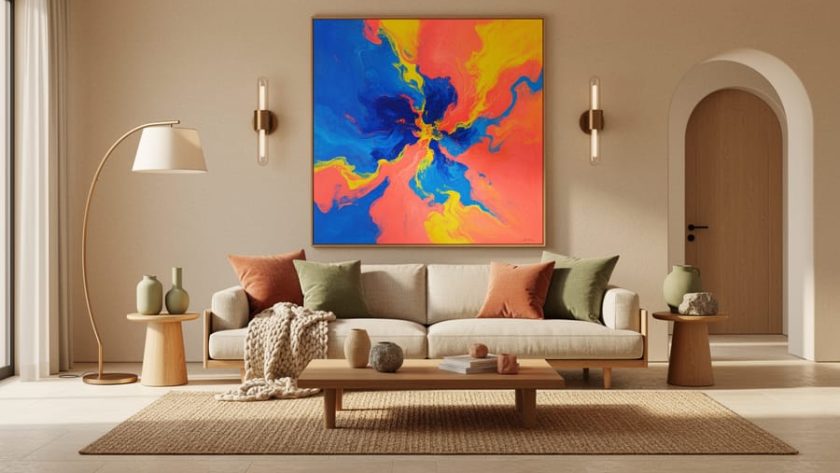
The distinction matters because understanding contemporary design means recognizing its fluidity. Where modern design follows strict principles, contemporary interiors embrace contradiction. You’ll find minimalist backbones supporting maximalist moments: a streamlined sofa in natural linen paired with an oversized abstract painting in electric hues. Organic textures meet industrial metals. Curves have returned after decades of angular dominance, softening rooms with arched doorways and sculptural furniture that appears almost molten in form.
What makes this aesthetic so compelling right now is its refusal to choose between beauty and livability. Contemporary spaces layer neutral foundations with personality through art, textiles, and statement lighting. The palette has expanded beyond grayscale minimalism to include warm terracotta, sage green, and unexpected jewel tones that anchor rather than overwhelm. Natural materials carry weight in 2026 design conversations, from travertine surfaces to oak in honey-toned finishes, creating tactile richness without visual clutter.
Achieving this look requires understanding not just what contemporary design is, but how it functions room by room. The approach shifts between public and private spaces, balancing drama in entertaining areas with serenity in bedrooms. This article reveals the foundational elements that define contemporary interiors, translates them into actionable guidance for each room in your home, and connects you with the resources, showrooms, and design voices shaping the aesthetic today.
What Contemporary Home Decor Really Means in 2026
Contemporary home decor isn’t a time capsule. Unlike mid-century modern or Art Deco, which remain fixed to their historical moments, contemporary design evolves with the present. It reflects what’s happening now in architecture, culture, and the way we actually live in our spaces. In 2026, that means embracing a design language that prizes clarity and intention while remaining open to fresh ideas as they emerge.
At its core, contemporary style responds to current sensibilities rather than adhering to rigid period rules. Contemporary interiors are of-the-moment borrowing selectively from various influences while maintaining a cohesive aesthetic that feels both grounded and forward-thinking. This flexibility makes contemporary design accessible to homeowners at any stage of their journey. You’re not recreating a museum piece or following a prescriptive formula. You’re curating a space that reflects how people live today.
Several defining characteristics anchor contemporary home decor, even as the style shifts with the seasons. Clean lines dominate the visual landscape, whether in furniture silhouettes, architectural details, or the negative space that gives rooms room to breathe. Neutral palettes provide the foundation, typically built on whites, grays, beiges, and warm earth tones that create a sense of calm. But contemporary isn’t about austerity. Bold accent colors appear strategically, a deep rust pillow against linen upholstery, a charcoal ceramic vase on a pale oak console, adding personality without overwhelming the senses.
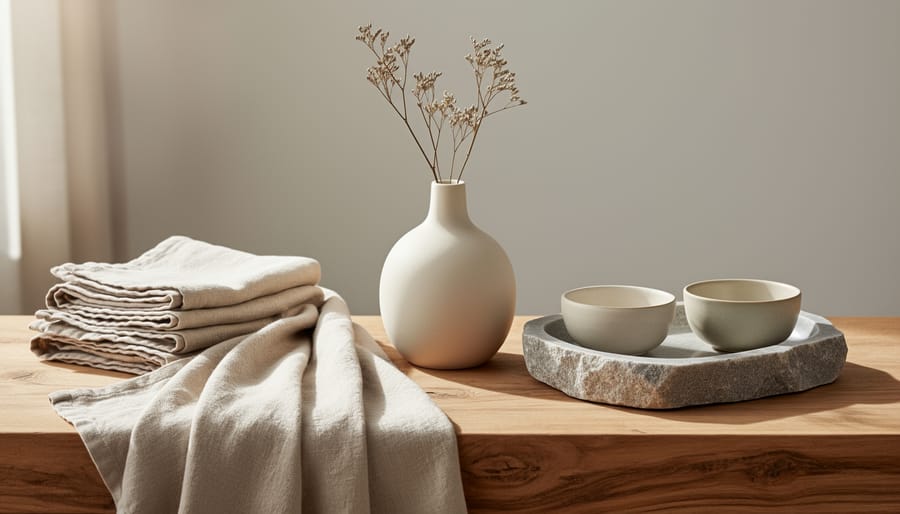
Natural materials ground contemporary spaces in tactile authenticity. Wood, stone, leather, and woven fibers bring warmth and organic texture that prevent rooms from feeling sterile or impersonal. These materials often appear in their honest forms, celebrating the grain of white oak flooring or the irregular surface of a limestone accent wall rather than disguising their origins.
Curated simplicity might be contemporary design’s most essential quality. Every piece in a room earns its place through purpose or beauty, ideally both. This approach isn’t minimalism for its own sake but rather an intentional editing process that eliminates visual noise and highlights what matters.
- Open concept
- Spatial planning that removes barriers between functional areas, allowing living, dining, and kitchen zones to flow seamlessly while maintaining distinct purposes through furniture placement and lighting.
- Organic textures
- Natural materials and surfaces that introduce tactile variation and visual warmth, such as raw wood, woven textiles, stone, and hand-finished ceramics that contrast with smooth contemporary finishes.
- Statement pieces
- Individual furniture items, lighting fixtures, or art pieces that serve as focal points within a space, commanding attention through bold form, scale, or unexpected design while remaining functional.
- Transitional elements
- Design components that bridge contemporary and traditional aesthetics, allowing for comfortable coexistence of streamlined modern furniture with warmer, more classic accents that add depth and personality.
The beauty of contemporary home decor in 2026 lies in its refusal to stand still. As new materials emerge, as cultural conversations shift, as our homes serve evolving functions, contemporary design absorbs these changes without losing its essential character. It’s a living aesthetic that grows with you, making it one of the most sustainable approaches to creating spaces you’ll love for years to come.
The Design Elements Shaping Contemporary Spaces Now
Color and Texture: The Contemporary Balance
Contemporary spaces treat color as a deliberate foundation rather than the main event. Soft whites, gray paint colors ranging from warm greige to cool slate, and muted earth tones establish calm backdrops that let texture take center stage. This restraint isn’t about minimalism for its own sake, it creates breathing room where materials can speak.
The magic happens in the layering. A linen sofa against plaster walls, both pale, becomes interesting through their contrasting surfaces: one soft and yielding, the other firm and slightly irregular. Contemporary design pairs smooth lacquered surfaces with raw wood grain, polished stone with woven textiles, glossy ceramics with matte concrete. These juxtapositions add depth without visual noise.
When color does appear, it arrives with intention. A rust-orange accent chair, deep teal throw pillows, or even obscure colors like terracotta-meets-burgundy work precisely because they punctuate rather than dominate. The neutral palette makes these moments feel deliberate, almost sculptural.
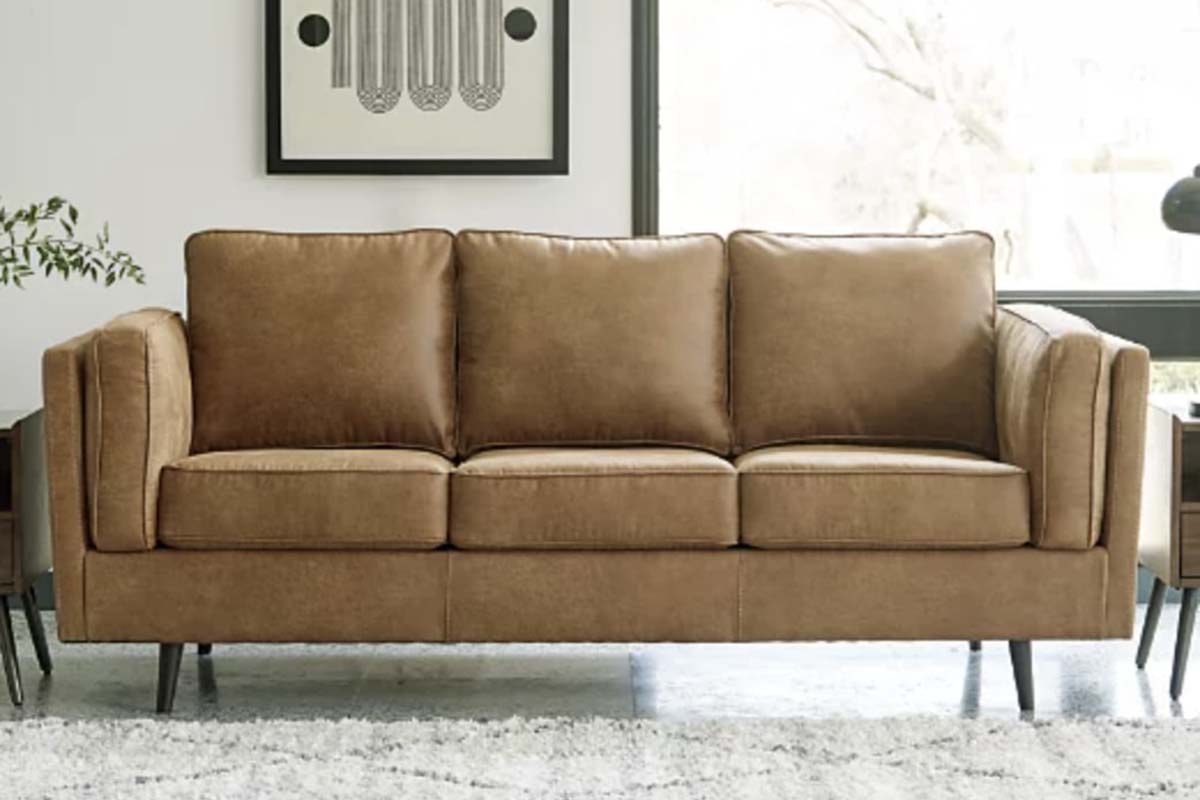
Temperature balance matters too. Cool grays gain warmth through honey-toned wood floors or camel leather seating. Creamy whites stay fresh alongside black metal fixtures or charcoal textiles. This warm-cool interplay keeps spaces from feeling sterile or monotonous, proving that restraint and richness can coexist beautifully.
Furniture That Defines the Look
Contemporary furniture makes a statement through what it chooses not to include. Low-slung sofas and platform beds hug the floor, creating visual calm and emphasizing horizontal lines that stretch across rooms rather than compete for attention. These pieces rely on precise geometry, think sharp 90-degree angles softened by a single curved armrest, or rectangular dining tables with legs that taper just enough to feel refined without becoming fussy.
The best contemporary furniture earns its place by doing more than one job. Storage ottomans that double as coffee tables, modular sectionals that reconfigure for different gatherings, and console tables that expand into dining surfaces all reflect how we actually live in 2026. This isn’t about cramming function into small spaces, it’s about valuing adaptability in any room.
Negative space matters as much as the furniture itself. A well-chosen armchair commands a corner not because it’s ornate but because the emptiness around it lets you appreciate its form. Contemporary rooms breathe. They resist the urge to fill every surface and wall, trusting that restraint creates its own kind of richness. Walk into a contemporary space and you’ll notice what isn’t there before you fully register what is, that absence is deliberate, and it’s what makes each piece stand out.
Lighting as Sculptural Art
In contemporary interiors, lighting has evolved far beyond utility, it’s now a defining gesture that sculpts space and commands attention. Pendant fixtures with geometric silhouettes, floor lamps that curve like abstract sculptures, and statement chandeliers with raw brass or blackened steel finishes serve as visual anchors in otherwise pared-back rooms. The current aesthetic leans toward fixtures that feel intentional: oversized drum shades in textured linen, asymmetrical designs that play with balance, and clustered pendant arrangements that create rhythm overhead. Rather than disappearing into the ceiling, contemporary lighting declares itself, transforming a functional necessity into the room’s most memorable element while casting a warm, atmospheric glow that softens clean architectural lines.
Where Contemporary Design Meets Real Life
Living Spaces That Breathe
Contemporary living rooms thrive on intentional openness rather than cluttered abundance. Arrange furniture to float within the space instead of pushing everything against walls, a sofa positioned three feet from the wall anchors a conversation zone while preserving flow. Group seating pieces to face each other at comfortable angles, creating intimate pockets within larger rooms without visual barriers.
The focal point matters. A fireplace, oversized artwork, or floor-to-ceiling window draws the eye and organizes the room around itself. Getting fireplace sizing right ensures it commands attention without overwhelming the space. In rooms without architectural anchors, a sculptural light fixture or bold media console can serve the same purpose.
Negative space breathes life into contemporary interiors. Resist filling every surface and corner decoration opportunities, sometimes an empty corner lined with natural light holds more power than another chair. Open sightlines between zones let your eye travel freely, making even modest square footage feel expansive and inviting.
Bedrooms as Serene Retreats
The contemporary bedroom strips away excess to reveal a space designed for rest. Start with a platform bed in a neutral upholstered fabric or warm wood, keeping side tables minimal, a single sculptural piece on each side works better than matched sets. Layer the bed with high-quality linens in soft whites, grays, or sandy tones, then introduce one textured throw or a few accent pillows in deeper hues like terracotta or charcoal for that strategic personality.
Lighting sets the mood here. Replace harsh overhead fixtures with adjustable reading sconces mounted to the wall, freeing up surface space while adding architectural interest. A single statement pendant or drum shade centered over the bed can anchor the room without overwhelming it.
Keep surfaces clear. One framed piece of abstract art above the headboard or a collection of three smaller prints in floating frames provides visual focus without clutter. Contemporary bedrooms embrace the calm that comes from restraint, proving that fewer carefully chosen elements create a more restful retreat than a room filled with decorative objects competing for attention.
Kitchens and Dining Areas
In contemporary kitchens, function and form converge with surgical precision. Flat-panel cabinetry in matte finishes, warm whites, soft grays, charcoal, eliminates visual clutter, while integrated appliances disappear behind seamless fronts. Countertops favor large-format stone or engineered surfaces with minimal veining, creating uninterrupted horizontal planes that emphasize space over ornamentation. Open shelving appears sparingly, displaying curated collections rather than everyday dishware.
The contemporary dining experience rejects the formal-casual binary entirely. Tables blend materials, a walnut top on powder-coated steel legs, or glass floating above sculptural bases, inviting both quick weeknight meals and lingering dinner parties. Chairs echo this versatility: molded plywood designs or upholstered seats with slim profiles slide easily under the table, preserving the room’s breathing space. Pendant lighting suspended at varied heights adds sculptural interest without dominating sightlines, while a single statement piece, a ceramic vase, a textured runner, provides the only decoration needed. The result feels intentional yet effortless, designed for how people actually live rather than how they once entertained.
Design Destinations: Where to Experience Contemporary Inspiration
Experiencing contemporary design in person transforms abstract concepts into tangible inspiration. While online galleries and social media offer endless scrolling, nothing matches the impact of walking through a curated exhibition space where you can touch finishes, test furniture proportions, and observe how lighting transforms a room’s mood. The coming months bring several opportunities to immerse yourself in the contemporary aesthetic alongside designers and homeowners who share your passion.
North America’s premier design platform, The Interior Design Show, returns to Toronto’s Metro Toronto Convention Centre North Building from January 21-24, 2027. As Canada’s largest celebration of design, this event bridges emerging talent with established brands, offering a comprehensive view of where contemporary home decor is heading. You’ll encounter everything from sculptural lighting fixtures to the streamlined furniture silhouettes that define contemporary living rooms, all presented in thoughtfully designed vignettes that demonstrate real-world application. The show’s strength lies in its dual focus: spotlighting innovative Canadian designers while bringing global design movements to a North American audience.
| Event | Dates | Location | Focus |
|---|---|---|---|
| Living Luxe Design Show | April 17-19, 2026 | Canada | Luxury contemporary furnishings |
| Design Victoria | April 30-May 3, 2026 | Victoria, BC | Canadian design innovation |
| Interior Design Show Toronto | January 21-24, 2027 | Metro Toronto Convention Centre | Global and Canadian design, emerging to legacy brands |
Beyond major exhibitions, seek out local design districts and showrooms in your city. Many furniture retailers specializing in contemporary pieces host smaller events throughout the year, offering workshops on styling techniques or introducing new collections. These intimate settings allow for deeper conversations with sales consultants who understand how individual pieces work within broader design schemes.
Design weeks in major cities also provide concentrated exposure to contemporary aesthetics. Watch for announcements about open studios, pop-up installations, and panel discussions where designers share their creative processes. These events often reveal the thinking behind contemporary design choices, helping you develop your own eye for the balance between simplicity and visual interest that defines this approach.
Bringing Contemporary Style Into Your Home
The path to contemporary home decor doesn’t require a complete renovation or unlimited budget. It begins with intention, editing, and strategic choices that bring this refined aesthetic into your current space.
Start with a single room where you spend significant time. Your living room or bedroom makes an ideal testing ground because you’ll notice the shift immediately. Walk through that space and identify what already aligns with contemporary principles: clean-lined furniture, neutral textiles, or uncluttered surfaces. These become your foundation. Then spot what disrupts the aesthetic, excessive accessories, ornate pieces that don’t reflect your current taste, or furniture that crowds the room. This honest assessment creates your roadmap.
Invest in one statement piece that anchors your contemporary vision. A low-profile sofa in natural linen, a sculptural floor lamp, or a simple platform bed can transform the entire feel of a room. When you buy furniture online look for pieces with straight lines, subtle curves, and materials that feel substantial rather than trendy. Quality matters here because contemporary design relies on fewer pieces doing more visual work.
Edit your existing collections with fresh eyes. Contemporary spaces breathe through restraint. Group similar items together rather than scattering them across every surface. Stack three art books on a coffee table instead of displaying twelve decorative objects. Choose five meaningful pieces for open shelving instead of filling every inch. This curation creates the calm that defines the style.
Balance new additions with cherished items through thoughtful placement. Your grandmother’s vintage credenza can sit beautifully in a contemporary space when you remove the clutter from its surface and let its woodgrain shine. Family photos work when matted in clean white frames rather than ornate gold. The goal isn’t erasing your history but integrating it with intention.
Layer in contemporary touches gradually. Swap heavy curtains for simple linen panels. Replace busy patterned throw pillows with solid textures in varying tones of grey, cream, or charcoal. Add one dramatic plant in a simple ceramic pot. Each small change compounds.
Most importantly, trust the process. Contemporary design evolves as you live in it, which means you can refine your space over months rather than transforming it overnight. The aesthetic rewards patience and editing far more than impulse purchases or complete overhauls.
Contemporary home decor isn’t a finish line you cross or a checklist you complete. It’s an ongoing conversation between your space and the way you live right now. Throughout 2026, this design approach has proven itself remarkably forgiving: it welcomes your existing pieces, accommodates your actual routines, and evolves as your tastes shift. The beauty lies not in rigid adherence to rules, but in thoughtful choices that reflect who you are today.
Starting small matters more than transforming everything at once. A single contemporary sofa can anchor a room. Swapping heavy drapes for sheer panels changes how light moves through your morning. Editing a crowded shelf down to a few meaningful objects creates breathing room that ripples through your entire day. These aren’t superficial tweaks. They’re intentional decisions that reshape how your home feels and functions.
The contemporary aesthetic thrives on this kind of gradual refinement. You don’t need to purge everything vintage or abandon color altogether. The goal is balance: clean lines that let your eye rest, textures that invite touch, negative space that makes each piece feel chosen rather than accumulated. Your interpretation will look different from your neighbor’s, and it should.
As design continues shifting throughout 2026 and beyond, our monthly newsletter brings you emerging trends, expert insights, and practical inspiration for keeping your spaces current without constant overhauls. Contemporary design is both aspirational and within reach, not because it’s easy, but because it starts with understanding what truly serves your life. Transform your space with intention, edit with confidence, and trust your instincts. Your home’s best version is the one that feels authentically yours.