Zara Home has quietly revolutionized accessible luxury in home décor, bringing the same design-forward sensibility that made its parent fashion brand a global phenomenon into living spaces across North America. Since expanding its footprint throughout Canada and the United States in recent years, the Spanish retailer has become the go-to destination for homeowners seeking European sophistication without the premium price tag.
What sets Zara Home apart is its ability to capture current design trends with remarkable speed. The brand releases new collections with the same seasonal cadence as fashion houses, meaning your space can reflect the latest in color palettes, textures, and silhouettes months before traditional home retailers catch up. From their signature linen bedding in perfectly curated neutrals to sculptural ceramics that wouldn’t look out of place in a design museum, every piece feels intentionally designed rather than mass-produced.
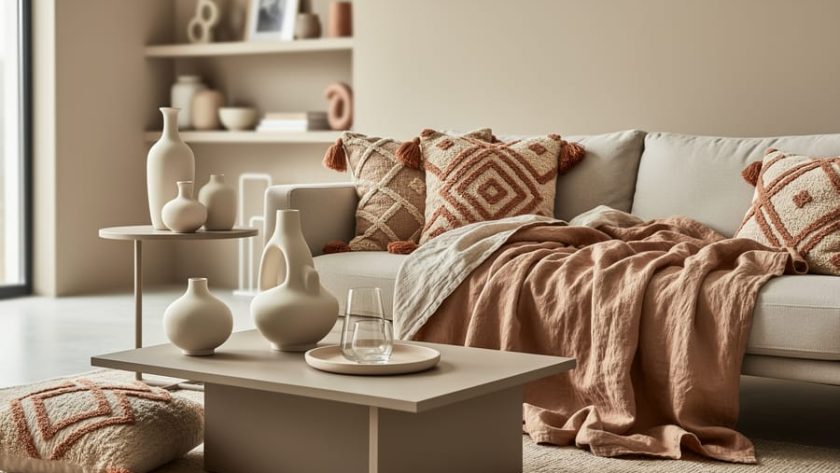
The beauty of Zara Home lies in its versatility. A single visit reveals everything from minimalist Scandinavian-inspired glassware to richly textured Moroccan-style cushions, allowing you to layer pieces that reflect your personal aesthetic. Their accessible price points mean you can experiment with seasonal updates without the commitment of investment pieces, while the quality remains surprisingly robust for the category.
Whether you’re furnishing your first apartment or refreshing a well-established home, Zara Home offers that rare combination of style, substance, and smart pricing that makes thoughtful design genuinely attainable.
The Zara Home Aesthetic: European Sophistication Meets Everyday Living
Zara Home doesn’t just sell home furnishings, it offers a distilled vision of how Europeans approach everyday elegance. The brand’s design philosophy rests on a deceptively simple premise: beauty shouldn’t require sacrifice of comfort or practicality. Walk into any Zara Home collection, whether in-store or online, and you’ll notice an aesthetic that favors natural materials, muted warmth, and restraint. This isn’t the stark minimalism that feels cold, nor the ornate maximalism that overwhelms. Instead, it occupies a middle ground where linen wrinkles are welcome, terracotta tones ground a space, and a well-chosen ceramic vase carries more weight than a dozen decorative objects fighting for attention.
What distinguishes Zara Home from other accessible home retailers is its deep connection to seasonal shifts and contemporary decor trends without chasing every passing fad. The brand operates on a fashion calendar, releasing new collections that reflect the textures and tones of each season. Spring might bring washed linens in soft greens and natural whites, while autumn introduces heavier knits, deeper clay tones, and burnished metallics. This approach keeps spaces feeling fresh without requiring complete overhauls, a duvet cover swap or new table linens can shift a room’s entire mood.
The color strategy deserves particular attention. Zara Home gravitates toward what might be called “sophisticated neutrals”, not just beige and white, but warm grays, dusty roses, olive greens, and those obscure colors that resist easy categorization. These palettes create cohesion across product categories, allowing a lamp to complement bedding that coordinates with tableware without everything matching too precisely.
Texture plays an equally critical role. The brand understands that visual interest comes from varied surfaces, nubby linen against smooth ceramic, rough-hewn wood beside brushed brass, matte finishes interrupted by strategic shine. This layering of tactile elements mirrors the effortless assemblage you might find in a well-lived Parisian apartment or a coastal Mediterranean home, where pieces accumulate over time rather than arriving all at once from a single catalog.
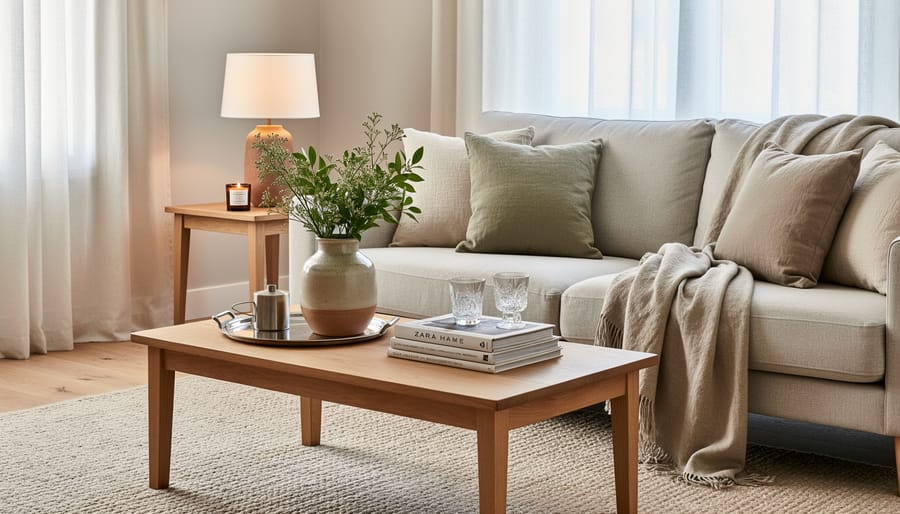
Inside the Collection: What Zara Home Offers for 2026
Textiles and Soft Furnishings
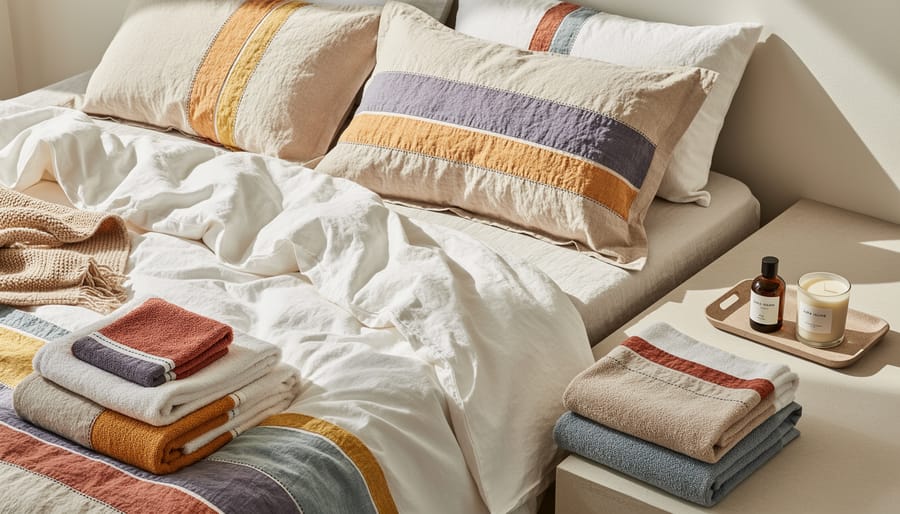
Zara Home’s textile collection forms the sensory foundation of its appeal. The bedding range moves between crisp, hotel-quality percale and softer sateen finishes, with linen options that bring texture and breathability to warmer months. Duvet covers often feature subtle jacquard patterns or tonal embroidery that reads as solid from a distance but rewards closer inspection, a technique borrowed from high-end European bedding at a fraction of the cost.
Towels balance absorbency with visual restraint. You’ll find thick Turkish cotton styles alongside lighter gauze weaves, many with discreet dobby borders or contrast stitching rather than obvious branding. The color palettes shift seasonally but tend toward neutrals punctuated by occasional deep terracottas or sage greens.
What sets these pieces apart is their ability to anchor a room’s mood without dictating its entire direction. A linen duvet in warm ivory creates calm, while a textured throw at the foot of the bed introduces dimension. These aren’t statement textiles, they’re the backdrop that lets your collected objects, art, and light tell the story. That restraint is intentional and surprisingly versatile across different design approaches.
Decorative Accents and Finishing Touches
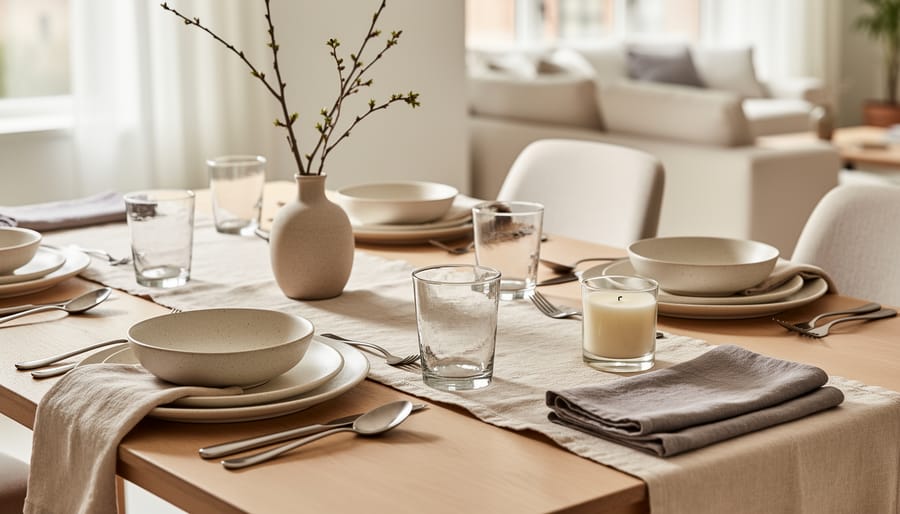
The smallest details often have the greatest impact. Zara Home’s tableware collection transforms everyday dining into an occasion, with hand-glazed ceramics in earthy terracottas and reactive finishes that catch the light differently on each piece. Stoneware dinner sets anchor tablescapes while delicate glassware adds unexpected refinement to weeknight meals.
Fragrances deserve particular attention. Zara Home’s signature scents extend far beyond standard candles, offering reed diffusers and room sprays that layer subtle aromatics throughout your home. A bergamot and white tea diffuser in an entryway creates immediate atmosphere, while warmer amber notes ground living spaces.
Lamps function as sculptural statements even when unlit. The collection includes table lamps with linen shades and brass detailing, plus minimal ceramic bases that work equally well for corner decoration or bedside styling. These pieces bridge the gap between task lighting and art object.
Accessories like woven baskets, ceramic vases, and metal trays offer finishing touches that pull disparate elements together. A well-chosen tray corrals bathroom essentials into an intentional display, while an oversized vase filled with dried grasses softens hard architectural lines without demanding the upkeep of fresh flowers.
The Canadian Debut: Where to Experience Zara Home in Person
The Yorkdale store opening on August 22 marked a significant milestone, bringing the first standalone Zara Home retail experience to North America. Located in Toronto’s premier shopping destination, Yorkdale Shopping Centre, this inaugural location gives Canadian design enthusiasts direct access to the brand’s full aesthetic vision. A week later, the Carrefour Laval opening on August 29 extended that access to Quebec, establishing the brand’s presence in Canada’s two most influential design markets.
These physical stores offer something the brand’s website cannot replicate: the tactile experience of running your hands across linen bedding, evaluating the weight of ceramic tableware, or experiencing how a lamp’s glow transforms a display vignette. Walking through a Zara Home location reveals how pieces from different categories work together, creating room-like settings that demonstrate the brand’s styling philosophy in three dimensions. You can compare duvet cover textures, see how fragrance diffusers complement specific color palettes, and gauge whether a rug’s actual hue matches its digital representation.
That said, the convenience of online stores remains essential for many shoppers, particularly those outside Toronto and Montreal. Zara Home’s Canadian website offers the full product range with detailed imagery and descriptions, though the sensory dimension naturally falls short of the in-store experience. For those who can visit, the stores provide inspiration and hands-on evaluation. For everyone else, the website delivers access to the same thoughtfully designed collection, bringing European-influenced home décor within reach regardless of location.
The arrival of these first North American stores signals Zara Home’s confidence in the Canadian market’s appetite for accessible, design-forward home furnishings that bridge the gap between fast fashion and lasting quality.
How Zara Home Fits Into Your Design Strategy
Layering with Luxury: Mixing Price Points Intentionally
The most successful interiors don’t announce their budget, they reveal thoughtful curation. A Zara Home linen duvet cover gains gravitas when paired with vintage brass candlesticks or a mid-century credenza. The key is intentionality: let investment pieces anchor the room while accessible items fill supporting roles.
Start with your non-negotiables, the sofa you’ll keep for fifteen years, the dining table passed down through generations, the artwork that stops conversations. These form your foundation. Then introduce Zara Home’s seasonal textiles, tableware, and fragrances as the flexible layer that responds to your mood, the light, the season. A handwoven wool rug becomes more dynamic when topped with Zara Home’s textured throws in complementary tones.
The technique works particularly well in transitional spaces. For guest room ideas pair quality mattresses and solid wood furniture with Zara Home’s rotating bedding collections, offering fresh sophistication without the commitment of bespoke linens. In dining areas, heirloom silver flatware looks modern against Zara Home’s contemporary ceramic plates.
This approach respects both your budget and your vision. It acknowledges that a well-designed home accumulates over time, blending the permanent with the pleasingly impermanent. The result feels collected, not purchased all at once from a single source.
Seasonal Refreshes Without the Commitment
Zara Home’s strength lies in its fast-fashion DNA applied to interiors: collections rotate with the seasons, offering an economical entry point for refreshing your space without the permanence of renovation. Think of it as wardrobe building for rooms.
Start with textiles as your seasonal variable. Swap duvet covers in autumn for warmer tones or richer textures, then lighten to linen blends when spring arrives. A new set of towels in an unexpected color immediately signals a shift without touching wall paint or tile. The investment stays manageable because you’re updating layers, not foundations.
Tableware works similarly. Introduce seasonal pieces, ceramic serving bowls in earthy glazes for fall gatherings, fresh white porcelain for summer dinners, that complement rather than replace your existing collection. These additions accumulate over time into a flexible repertoire you can rotate based on occasion and mood.
Accessories offer the quickest transformation. A new throw blanket draped over an existing sofa, seasonal fragrances that shift the sensory atmosphere, or a single statement lamp can recalibrate an entire room’s energy. The key is intentionality: choose pieces that genuinely enhance your space rather than clutter it, treating each seasonal refresh as a curated edit rather than a complete overhaul.
The Broader Impact: What Zara Home Means for North American Interior Design
Zara Home’s entry into the North American market represents more than the opening of two retail locations. It signals a fundamental shift in how consumers access trend-driven design, closing the gap between runway aesthetics and residential interiors. For years, North American shoppers relied on seasonal department store offerings or niche boutiques that commanded premium prices for European-influenced pieces. Now, a brand with deep fashion DNA and rapid inventory turnover brings that sensibility directly to mainstream shopping destinations, making sophisticated design accessible at price points that encourage experimentation rather than cautious investment.
This launch intensifies competition in the accessible home décor sector, where brands like West Elm, CB2, and H&M Home have cultivated loyal followings. Zara Home distinguishes itself through its parent company’s expertise in translating catwalk trends into consumer products within weeks, not seasons. That agility means North American shoppers can expect collections that respond to current design movements, whether maximalist patterns, minimalist neutrals, or artisanal textures, with a freshness previously reserved for fashion.
The broader cultural implication lies in how Zara Home positions home design as an extension of personal style rather than a static, once-every-decade decision. By offering frequently refreshed collections of bedding, tableware, and accessories, the brand normalizes the idea that interiors can evolve as fluidly as wardrobes. This philosophy resonates particularly with younger homeowners and renters who value adaptability and self-expression, signaling that the North American appetite for European-inspired, design-forward home furnishings has reached a tipping point where major retailers recognize it as sustainable demand rather than fleeting trend.
Zara Home’s arrival in North America represents more than just another retail expansion. It signals a meaningful shift in how we think about creating beautiful, livable spaces without sacrificing either sophistication or practicality. The brand proves that thoughtful design doesn’t require choosing between accessibility and quality, trend awareness and timelessness.
For designers and homeowners alike, this launch offers a valuable resource for the kind of elevated yet approachable interiors that define contemporary living. Whether you’re drawn to the linen bedding that anchors a serene bedroom, the sculptural tableware that transforms everyday meals into small celebrations, or the seasonal fragrances that shift a room’s entire mood, Zara Home provides tools for intentional, evolving design.
As the Toronto and Laval locations establish themselves and the online collection continues to expand, we’ll likely see Zara Home become part of the broader conversation about how North Americans approach their homes. The democratization of design this represents matters: it makes European-inspired, fashion-forward home furnishings accessible to a wider audience while maintaining the visual and tactile standards that make spaces genuinely inspiring.
The real opportunity lies in approaching the collection with the same discernment you’d bring to any design decision. Mix these pieces with what you already treasure, invest where quality matters most to you, and let your home reflect both current sensibilities and your personal story. That’s where accessible design becomes truly meaningful.